Ready to Build Your Business?
- Applications open every spring. Classes start in the summer.
- Seats are intentionally limited to provide individualized coaching.
- Join the interest list today and be the first notified when applications open.
Notify Me When Applications Open
Turn Your Business Idea into a Business You Can Launch
Starting a business can be overwhelming—but you don’t have to figure it out alone.
The Vicksburg Entrepreneur Bootcamp is a six-session, hands-on program designed to help aspiring entrepreneurs and existing small business owners validate their ideas, avoid costly mistakes, and build a business positioned for long-term success.
You’ll work on your own business while learning from experienced entrepreneurs, business leaders, and industry experts who provide practical guidance you can immediately apply. Through workshops, coaching, and real-world feedback, you’ll leave with the knowledge and confidence to move your business forward.
By graduation, you’ll have:
- A completed Business Model Canvas
- A clearer understanding of your customers and market
- Practical financial and marketing strategies
- Connections with local business leaders and mentors
- The confidence to pitch your business to a panel of judges
Avoid the Top Startup Mistakes
❌ No customer demand
❌ Pricing incorrectly
❌ Running out of cash
❌ Poor marketing
❌ Hiring too quickly
❌ Trying to do everything alone
We’ll show you how to avoid each one.
Program Highlights
- Six in-person interactive sessions
- Workbook and course materials provided
- Expert guest speakers and mentors
- Market research and industry data
- Financial planning tools and templates
- Networking with fellow entrepreneurs
- Business Plan Competition opportunity
- Certificate of Completion
Past Winners
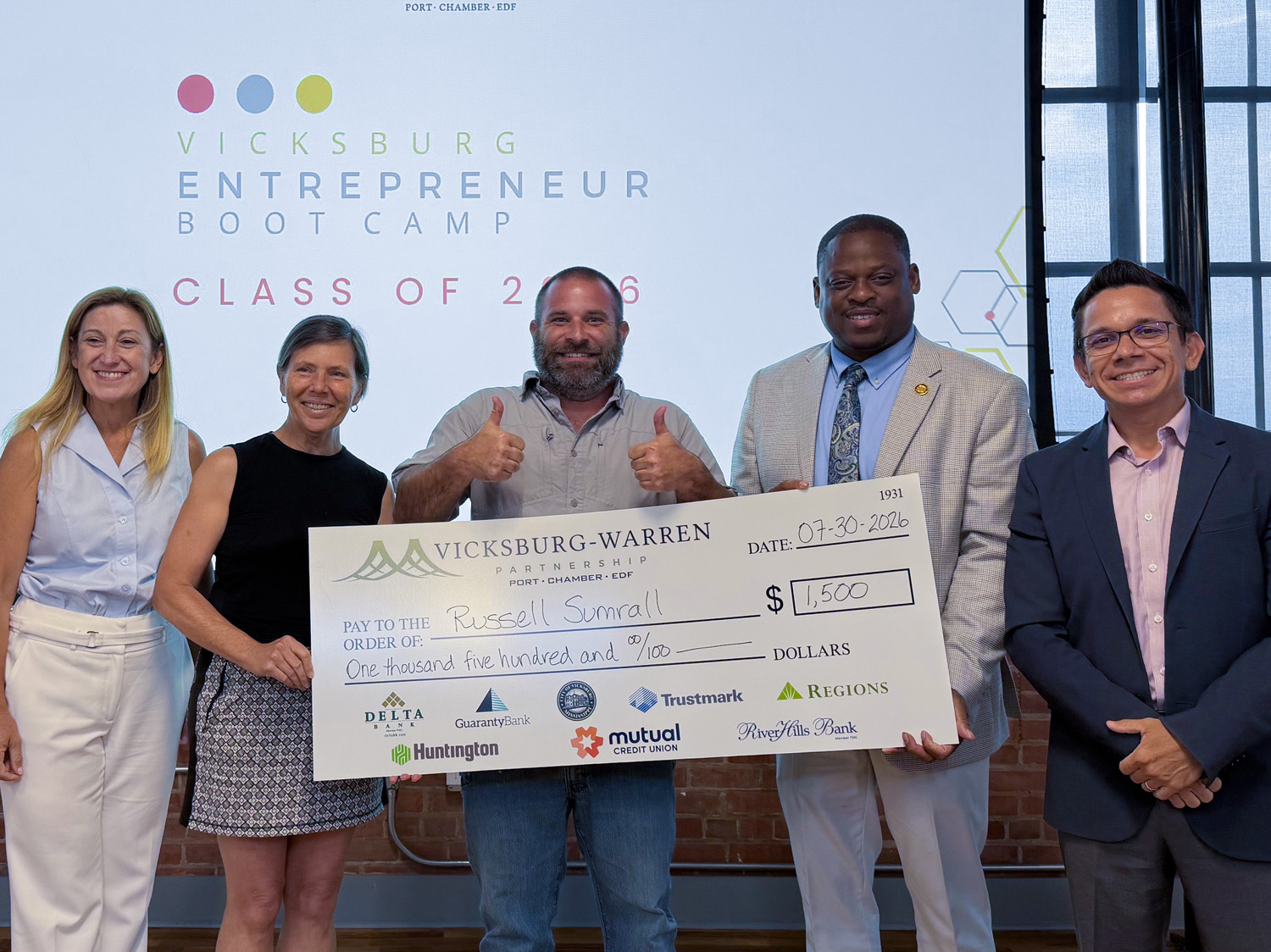
2026 Winner Russell Sumrall Elite Disposal, LLC.
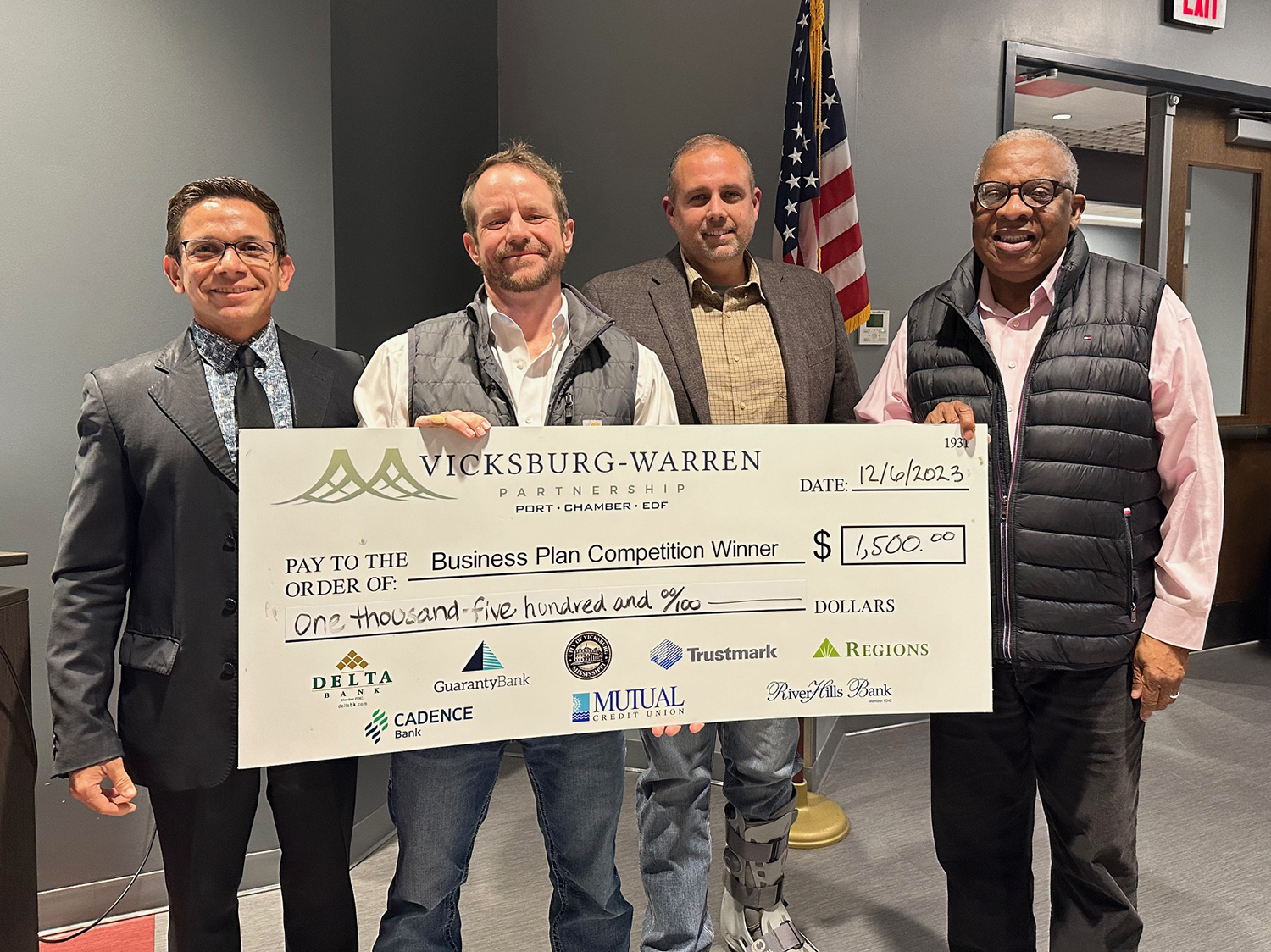
2023 Winner Seth Lloyd Lloyd Forge and Finish
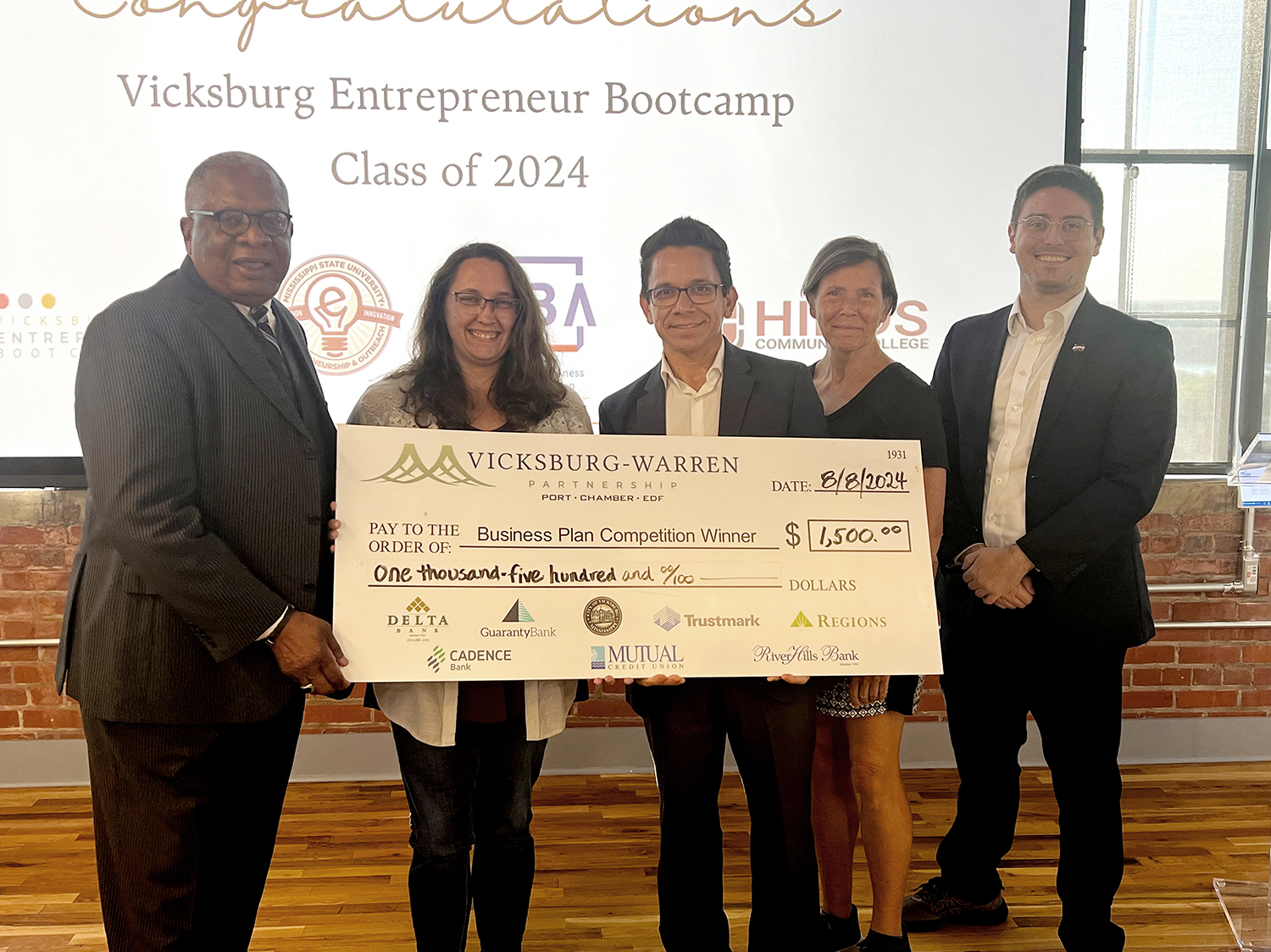
2024 Winner Ashley Cody Blackberry Ridge Apiary
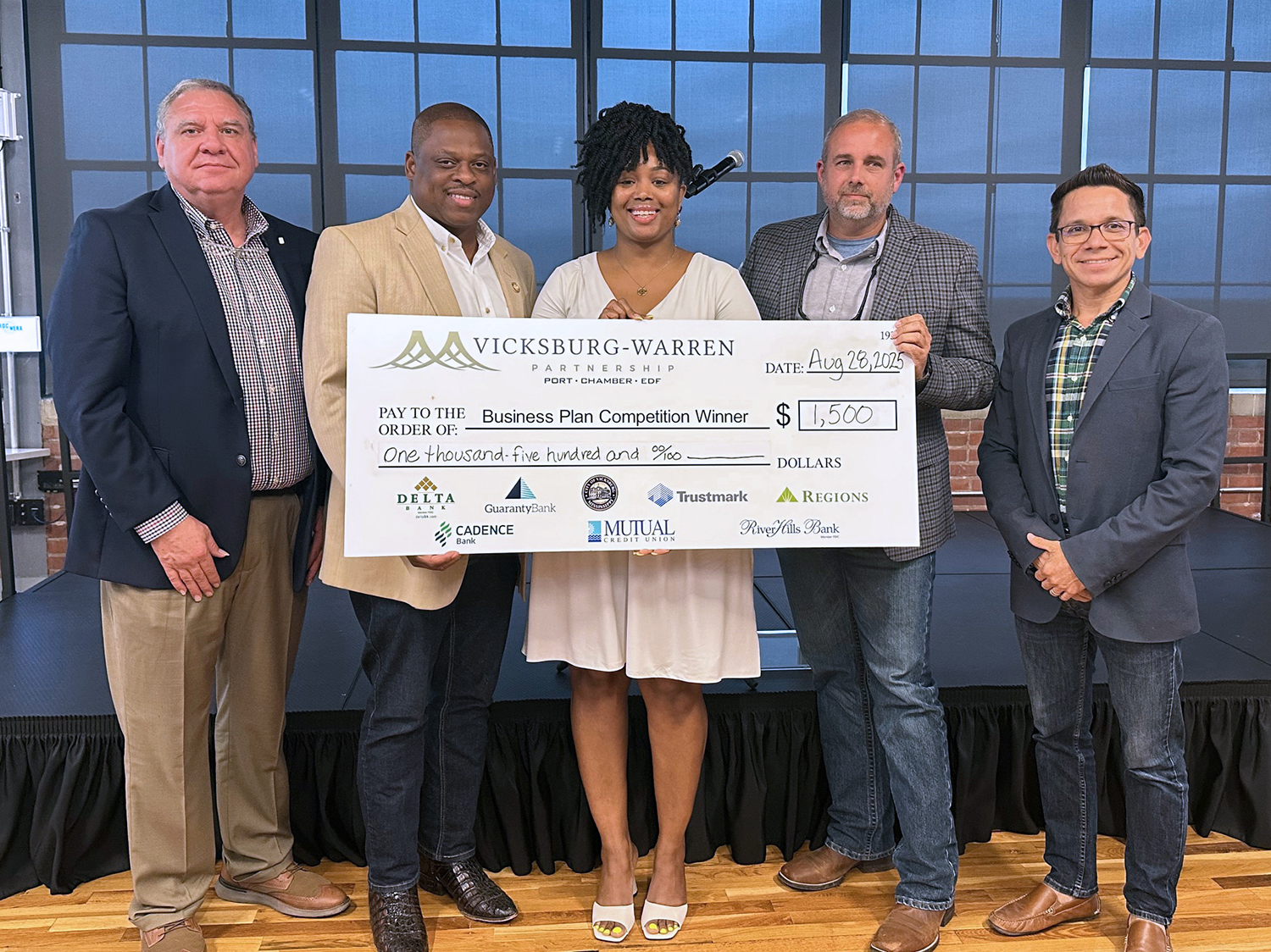
2025 Winner Katrina Williams Trueheart Candles
Learn from Trusted Business Partners & Industry Experts
The Vicksburg Entrepreneur Bootcamp is a collaborative program presented through a partnership between the Vicksburg-Warren County Chamber of Commerce, the Mississippi Small Business Development Center (MS SBDC), and Mississippi State University at MCITy. Together, these organizations provide entrepreneurs with the knowledge, resources, and support needed to launch and grow successful businesses.
Throughout the program, participants learn from experienced entrepreneurs and subject matter experts who share practical, real-world advice on building and managing a successful business.
Our guest experts help entrepreneurs understand when and why to build a team of trusted advisors. From knowing when to consult an attorney or accountant to developing relationships with bankers, insurance professionals, and marketing experts, participants gain valuable insight into the key partnerships that help businesses succeed.
Pitch Your Business. Win $1,500.
✔ Present to local bankers
✔ Receive professional feedback
✔ Build confidence
✔ Compete for a $1,500 startup grant
Turn Your Idea Into a Fundable Business
The Business Plan Competition is the capstone experience of the Vicksburg Entrepreneur Bootcamp—where ideas become real opportunities. This is your opportunity to bring everything together and present your business concept to a panel of local bankers and financial professionals. Whether you’re launching a new business or seeking to expand an existing one, this experience helps you refine your vision and build confidence in your plan.
This is more than just a class—it’s your opportunity to build, pitch, and possibly fund your future.
Course Information
Session 1: Validate Before You Build
Discover who your customers are, understand their needs, and learn whether your idea solves a real problem before investing time and money.
The first session introduces participants to the Entrepreneur Bootcamp program and the Business Model Canvas framework, which will guide their work throughout the program. Participants will explore the key components of building a strong business model, including understanding customers, defining value, and identifying opportunities for growth.
The session will focus on developing a clear value proposition and understanding the importance of customer discovery. Using concepts from The Mom Test: How to Talk to Customers and Learn If Your Business is a Good Idea When Everyone Is Lying to You, participants will learn how to engage with potential customers, ask effective questions, and gather insights to validate their business ideas.
Session 2: Find Your Market: Customers, Competition & Opportunity
Identify your ideal customers, understand your competition, and use market data to determine where your business fits and how it can succeed.
This session continues the customer discovery process by helping participants better understand their target market, define customer segments, and identify potential competitors.
Participants will explore how demographic, psychographic, and behavioral insights can help clarify who they serve and how to position their product or service. Through market research and industry data, entrepreneurs will learn how to evaluate demand, understand their community, analyze competitors, and identify opportunities for business growth.
Session 3: Turn Connections Into Customers
Learn how to build customer relationships, choose the right marketing channels, and create strategies to attract and retain customers.
This session focuses on transforming customer insights into action by developing strategies to reach, engage, and retain customers. Participants will explore how to build strong customer relationships, select effective marketing channels, and create a sales approach that supports business growth.
Through expert guidance on customer engagement, sales strategy, and low-cost marketing opportunities, entrepreneurs will learn how to connect with their target audience, increase visibility, and develop meaningful customer relationships.
Session 4: Know Your Numbers: Building a Financial Foundation
Understand your costs, revenue, and key financial reports to make informed decisions and build a sustainable business.
This session introduces entrepreneurs to the financial fundamentals needed to operate and grow a successful business. Participants will explore how businesses generate revenue, identify fixed and variable costs, and understand the importance of managing expenses to support profitability.
Through guided instruction and practical tools, participants will learn how to use three key financial reports—the Income Statement, Cash Flow Statement, and Balance Sheet—to better understand their business’s financial health and make informed decisions for future growth.
Session 5: Build Your Business Support Team
Identify the professional partners and resources that can help you reduce risk, make informed decisions, and build a stronger foundation for growth.
Successful entrepreneurs know they do not have to navigate every challenge alone. This session focuses on the key professional partnerships that help businesses establish a strong foundation and support long-term success.
Participants will learn the importance of working with trusted advisors, including legal and accounting professionals, to make informed decisions around business structure, compliance, contracts, taxes, financial management, and risk reduction. By understanding when and how to seek professional guidance, entrepreneurs can build a stronger support system for their business.
Session 6: Build the Business Behind the Idea
Identify the activities, resources, and people needed to turn your business model into a successful operation.
This session focuses on the operational side of building a successful business. Participants will identify the key activities, resources, systems, and support needed to deliver value to customers and differentiate their business from competitors.
The session also explores the importance of building the right team and making thoughtful hiring decisions. Participants will learn how staffing choices can impact costs, company culture, compliance, and long-term success as they prepare to grow their business.
Program Sponsors
Business Plan Competition Sponsors






Meal Partners
A heartfelt thank you to our Meal Partners for investing in the next generation of entrepreneurs. Your generous meal donations kept our participants fueled, focused, and engaged throughout the six-week Bootcamp.